
Higher cocoa prices can improve a farmer’s potential income, but they do not tell him whether a damaged pod needs treatment, which product is appropriate, or when a sprayed field is safe to enter. Those decisions require trusted guidance in a language he understands, delivered before the window to act closes.
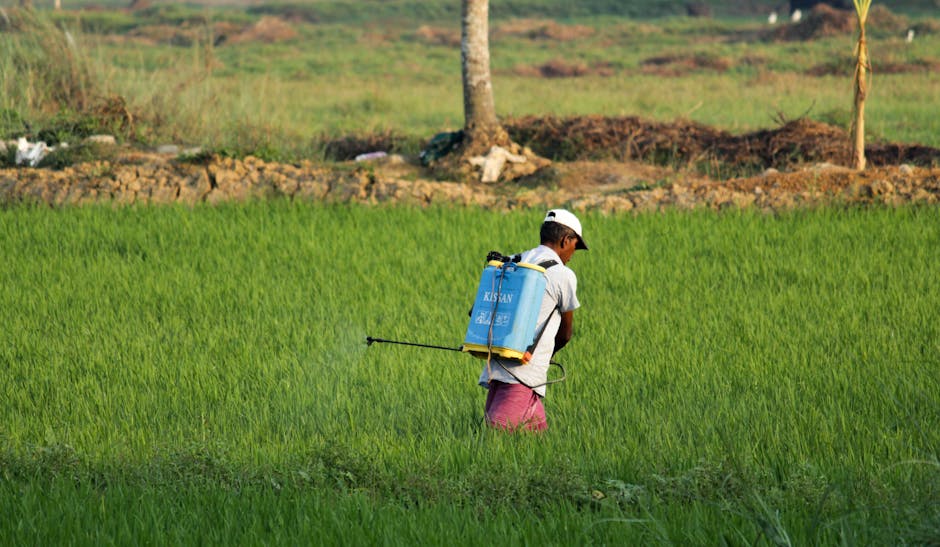
Imagine Kojo, a composite Asante-Twi-speaking cocoa farmer, standing at the edge of his farm near Kumasi late in the morning. A radio report has described stronger cocoa prices, supported by dollar weakness. In his hand is a pesticide container with a worn label. Several pods show marks he does not recognize, rain may come later, and the person helping him spray is waiting.
A higher selling price sounds like good news. It still cannot identify the problem on those pods.
Kojo faces a decision with consequences: spray the wrong product and risk the crop, the worker, and anyone who enters the field too soon; wait without informed advice and the damage may spread. The rally has changed what the harvest might be worth. It has also increased the value at risk.
A better price can make a wrong decision more expensive
Market headlines operate at one level. Farm decisions happen at another.
A cocoa farmer may hear that prices are rising because the dollar has weakened, yet still lack a reliable answer to the question in front of him: “What should I do about this pod today?” Currency movements do not supply a diagnosis. A price chart cannot verify a pesticide dose, re-entry interval, or pre-harvest interval.
The temptation is to treat higher prices as an automatic improvement in farmers’ circumstances. Income matters, of course. But the path from a favorable market to a better household outcome passes through dozens of decisions about crop health, labour, inputs, timing, storage, and spending.
The wrong decision can consume money before the farmer earns the higher return. Buying an unnecessary chemical uses cash that may be needed elsewhere. Spraying from an unreadable label can put workers at risk. Acting on an unverified policy announcement can encourage spending against income that has not arrived. The harvest reserve a farmer protects can disappear through one confident mistake.
The information gap appears at the moment of action
Useful agricultural guidance must pass three tests.
First, the farmer must be able to ask the real question in the language he naturally uses, including the English terms commonly mixed into farming conversations. Second, the answer must come from reviewed material rather than improvised agronomy. Third, uncertainty must lead to a person who is qualified and accountable.
That third test matters most when chemicals are involved. If dosage, re-entry, or pre-harvest information has not been verified, the safe answer is to pause and escalate. A fluent voice can still deliver dangerous advice. Confidence is not evidence.
Back at the farm, Kojo records a question in Asante Twi. In the scenario, the system identifies that his request concerns a chemical but cannot safely match it to reviewed instructions. It does not guess. It tells him the answer needs human review and routes the question to a named extension officer.
The sprayer remains sealed.
That outcome may feel less satisfying than an instant recommendation, but it protects the farmer from false certainty. The same principle explains why an unclear diagnosis should keep an open container from becoming a rushed treatment.
Trusted voice guidance needs more than speech technology
Local-language voice access is only the front door. The harder work sits behind it.
For AgriVoice, Neuralis is preparing a two-week pilot with 20 to 50 Asante-Twi-speaking cocoa farmers through a cocoa-sector partner. Before any farmer exposure, the approved guidance must be translated into spoken Asante Twi and reviewed by someone familiar with farming language. Chemical guidance must be cleared by a Ghanaian agronomist. A named extension officer must own escalations.
The reasoning system selects reviewed content blocks. It does not write agronomic advice. If no safe answer exists, it escalates.
The pilot will test whether at least 70 percent of questions are answered or correctly escalated, whether farmers understand the response, whether they return in the second week, and whether pesticide answers remain safe. It will also measure response time, escalation handling, and the cost of completing a question.
These gates turn “voice AI for farmers” into a testable service. They also expose failure honestly. If the voice is hard to understand, the escalation queue has no owner, or one unsafe pesticide instruction reaches a farmer, the workflow needs redesign before expansion.
Build the decision infrastructure before celebrating the signal
By the afternoon, Kojo still has the container beside him. What changed is the quality of his next move. He knows the question has reached a responsible person, and he has not mistaken a confident automated reply for verified guidance.
That is the missing infrastructure behind the price headline: reviewed local-language content, speech a farmer can use, safe refusal when facts are missing, and a human answer path with an accountable owner.
Institutions working with cocoa farmers can start now. Identify the decisions that regularly arrive under time pressure. Review the answers with agronomists. Translate them for speech, rather than formal print. Define which questions must escalate and who will respond.
Then test the whole path with real farmer voices before promising scale.
A cocoa rally may raise the value of Kojo’s harvest. Trusted guidance helps him avoid putting that value, his worker, and his remaining cash at risk before the pods leave the farm.
Comments
No comments yet.