
One cocoa-sector institution can help answer a practical question: can Asante-Twi voice support give farmers useful, safe answers in real farm conditions? We are seeking a partner to host a two-week pilot with 20 to 50 farmers, name an extension officer for escalations, and help measure what happens.
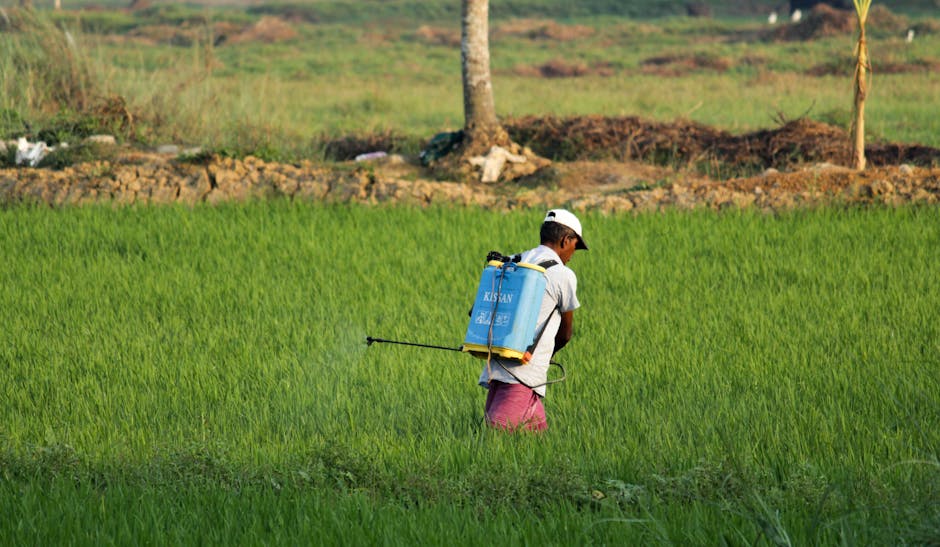
Imagine Kofi, a composite farmer outside Kumasi, standing beside a half-filled spray tank late in the afternoon. Rain is threatening, two workers are waiting, and he cannot remember the safe re-entry interval for the product in his hand. If he guesses, people could return to the field too soon. If he delays without guidance, the crop may remain exposed.
Kofi sends a voice question in Asante Twi. AgriVoice searches reviewed content for an answer. When the required dosage or safety interval has not been verified, the system refuses to fill the gap and sends the question to a named extension officer.
That final step matters. Without a real person responsible for the escalation, Kofi is left beside the tank with the same dangerous choice.
The institution gives the pilot somewhere safe to operate
AgriVoice is being prepared for one focused pilot, not a broad public release. The proposed cohort is deliberately small: 20 to 50 Asante-Twi-speaking cocoa farmers over two weeks.
The host institution would help recruit farmers who can use the service in ordinary conditions, explain the pilot clearly, and identify the extension officer who will receive questions the system cannot answer safely. That officer needs to own the queue and respond within the working rhythm agreed for the pilot.
This role cannot be replaced by software. Some questions will be ambiguous. Others will fall outside the reviewed content. Chemical questions may lack verified dosage, re-entry, or pre-harvest information. In those cases, escalation is the product behaving correctly.
The institution also provides context that a technical team cannot manufacture. It knows how farmers describe black pod, spraying decisions, changing weather, and advice received from buyers or neighbours. It can tell the difference between an awkward translation and language that could cause harm.
Recent interest in the Ghana Cocoa Board Bill among Ashanti cocoa farmers reinforces a broader point: cocoa policy and technical guidance only help when farmers can understand and use them. Voice access may help close part of that gap, but only field evidence can show where it works.
Five measures will decide what happens next
This pilot has a defined scorecard. We want evidence strong enough to support a continue, iterate, or stop decision.
First, at least 70 percent of questions should receive a useful reviewed answer or be correctly escalated. A confident wrong answer, especially about pesticide use, matters more than a polished demo.
Second, no unsafe pesticide instruction should reach a farmer. AgriVoice selects from reviewed answer blocks rather than composing agronomy advice. Missing or uncertain guidance goes to a person. The half-filled spray tank shows why refusal must remain part of the workflow.
Third, at least 80 percent of participating farmers should report that they understood the response. The current voice sounds formal because it was trained from scripture recordings, and it has not met the intended intelligibility gate. The pilot must test whether farmers can still understand and accept it in practice.
Fourth, at least 30 percent of activated farmers should ask another question during the second week. A single trial can reflect curiosity. Repeat use suggests the service solved a problem worth returning to.
Fifth, escalations need an accountable owner, with a target median response time below one working day. An escalation queue without an owner creates the appearance of safety while leaving the farmer waiting.
We will also measure end-to-end response time and the cost of each completed question by component. These figures will help a potential partner judge whether a larger programme could be practical.
What must happen before the first farmer participates
Recruitment can begin now, but farmer exposure waits until every entry gate is cleared.
The 37 owner-approved content blocks need spoken Asante Twi reviewed by a farming-aware translator. A Ghanaian agronomist must resolve or continue to withhold three chemical blocks, with explicit attention to dosage, re-entry, and pre-harvest intervals. At least 20 real farmer questions must be recorded and transcribed to measure speech recognition under field conditions.
Consent and deletion behaviour also need testing. Farmers must know what is recorded, why it is used, and how they can request deletion.
Staff must then rehearse the complete workflow, including a real WhatsApp exchange, safe refusal, and successful escalation. Any applicable gate that remains blocked keeps the pilot closed.
One partner can turn a demonstration into evidence
The institution we need does not have to promise a national rollout. It needs to host one bounded test, recruit 20 to 50 farmers, appoint one accountable extension officer, and help review the results honestly.
Back at the farm, Kofi still needs an answer before anyone enters the sprayed area. The pilot succeeds only if he receives reviewed guidance he understands, or if his question reaches a qualified person quickly enough to affect the decision.
That is the invitation: help test the full chain, including the moments when the safest answer is, “A person needs to review this.”
Comments
No comments yet.