
A fever changes a spraying question because the safest answer now depends on both crop conditions and a person’s health. The voice service should pause routine pesticide guidance, avoid diagnosing the illness, and connect the farmer with the appropriate human help.
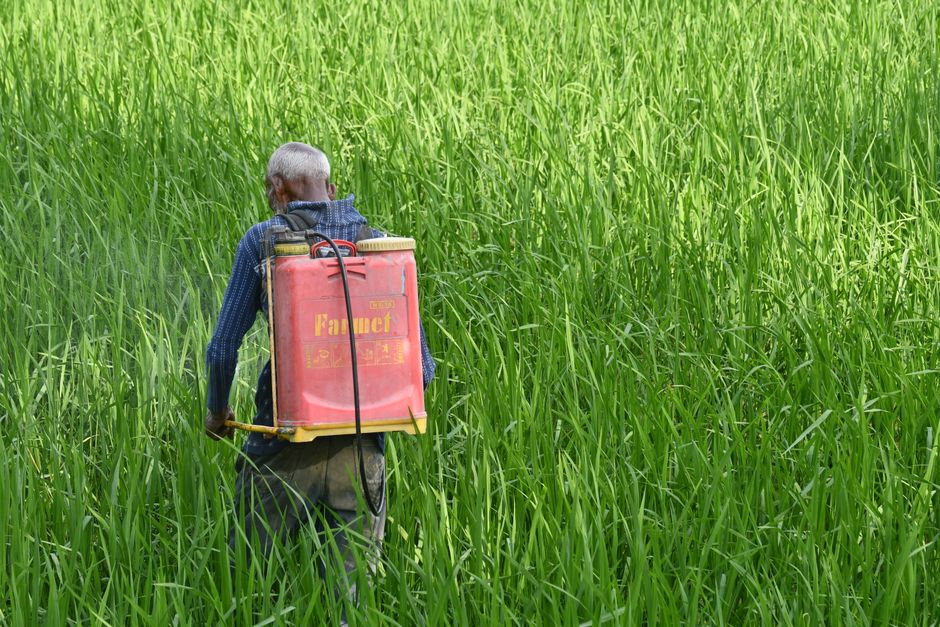
Kojo, an illustrative cocoa farmer outside Kumasi, is holding his sprayer at the edge of the farm shortly after sunrise. He planned to ask whether he should spray the dark patches appearing on several pods. Then his daughter calls from the house: his wife woke with a fever after helping near the field the previous afternoon.
The mixture is waiting. Rain may come later. If Kojo delays, he worries the disease could spread. If he sprays, he could expose someone who is already unwell, and he does not know whether yesterday’s farm work matters.
For a voice assistant, this is the moment when a familiar question becomes a different kind of case.
One new detail can change the safe answer
If Kojo had only described the pod symptoms, AgriVoice could select from agronomist-reviewed cocoa guidance, ask for missing details, or recommend waiting for an extension officer when the evidence remained unclear.
The fever adds a possible health concern. AgriVoice cannot determine its cause from a voice note. It should not tell Kojo that pesticide exposure caused the illness, and it should not reassure him that the two events are unrelated. Either claim would go beyond the information available.
The responsible response starts by recognizing the change in stakes. Kojo needs to keep the unwell person away from the field and any spraying activity. He also needs guidance from a qualified health professional, especially if the illness is severe or worsening. Questions about the chemical, its dosage, re-entry interval, and pre-harvest interval belong with the named agricultural expert responsible for the pilot.
This boundary matters because a confident sentence can sound authoritative when spoken aloud in Asante Twi. A fluent answer can still be unsafe. Neuralis therefore constrains the language model to select reviewed content blocks rather than compose agronomy instructions itself. Missing or uncertain answers are meant to reach a person.
The system needs to hear the whole situation
A weak voice workflow extracts the familiar words, “cocoa,” “spots,” and “spray,” then serves a standard crop response. That misses the most important part of Kojo’s message.
A safer workflow treats the household fever as a reason to stop and gather context. It should preserve the farmer’s own wording, mark the question for escalation, and avoid filling gaps with assumptions. If the product name, dosage, or timing is unclear, the system should say so plainly.
Chemical guidance needs particular care. Three AgriVoice content blocks remain withheld because dosage, re-entry, and pre-harvest details have not yet been cleared by a Ghanaian agronomist. That refusal is deliberate. The three withheld chemical guidance blocks show why an incomplete answer should never reach a farmer simply because the system recognizes the topic.
Kojo may want a direct instruction because the morning is slipping away. The safest response may still be: do not proceed on the basis of this voice answer; keep the unwell person away from the spraying area; seek health advice; and wait for the named extension officer to confirm the farm guidance.
That answer does less, but it protects more.
Escalation must lead to an accountable person
“Ask an expert” sounds responsible until nobody owns the question. A real escalation needs a named extension officer, enough context to understand what happened, and a clear expectation for when someone will respond.
For the AgriVoice pilot, that ownership is an entry gate. A cocoa-sector partner must name the extension officer who receives escalations before farmers are exposed to the service. Staff must also rehearse the complete path and confirm that no unsafe answer reaches a farmer.
The health concern requires its own boundary. The extension officer can clarify cocoa and pesticide practice, but should not be presented as a medical professional unless that qualification is genuinely part of the support arrangement. The farmer needs a clear handoff toward appropriate health care, with urgent help recommended when symptoms appear severe or worsen.
This is also why the pilot measures successful answers as questions answered or correctly escalated. A refusal that reaches the right person can be more useful than a fast response built on missing evidence. The same principle applies when a farmer requests an unverified pesticide dose.
What changes before Kojo enters the field
Kojo lowers the sprayer and moves it away from the house. The voice response has not diagnosed his wife or identified the marks on the cocoa pods. It has separated the two risks, told him what should wait, and routed the questions to people qualified to answer them.
The rain may still come. The pods still need attention. Those pressures remain real.
But Kojo no longer has to treat urgency as permission to guess. Before he returns to the field, the chemical question is with the extension officer, his wife is kept away from the spraying area, and the household knows that worsening illness calls for prompt medical help.
Comments
No comments yet.