
A cocoa-sector institution can partner with Neuralis by naming one extension officer, recruiting 20 to 50 Asante-Twi-speaking farmers and supporting a two-week AgriVoice pilot. Together, we will measure whether farmers receive understandable reviewed answers, while uncertain or sensitive questions reach a person instead of triggering unsafe advice.
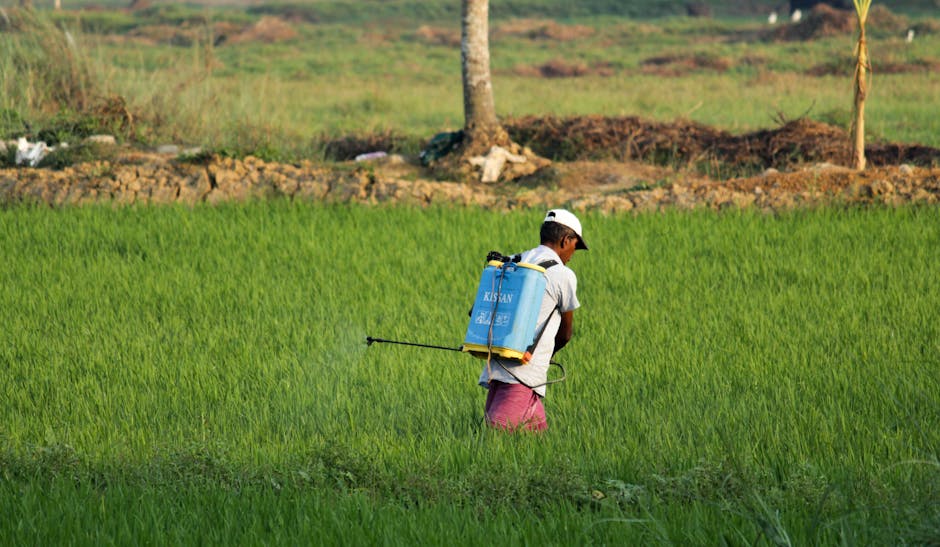
Imagine Kofi, a composite farmer created to show how the pilot should work. He is standing beside his cocoa farm late in the afternoon, holding a pesticide container with a damaged label while clouds gather above the trees. He asks AgriVoice in Asante Twi how much product to mix and when it will be safe to enter the field again.
The reviewed content does not contain verified guidance for his exact situation. A fluent-sounding guess could expose Kofi, his family or farm workers to harm. The rain may arrive before he gets an answer, and the temptation to spray from memory is growing.
AgriVoice stops. It sends the question to the partner’s named extension officer.
That escalation is the moment this pilot exists to test.
The first uncertain question matters most
Voice AI can make advice feel personal and authoritative. That raises the cost of getting it wrong.
AgriVoice uses a constrained workflow. Speech recognition captures the farmer’s question, then the system selects from reviewed content blocks. It does not invent agronomy instructions. If the available content cannot answer safely, or if the question is uncertain, the system escalates to a person.
Three chemical guidance blocks are currently withheld because dosage, re-entry and pre-harvest intervals still require clearance from a Ghanaian agronomist. That refusal is deliberate. The three withheld blocks show what a confident guess could cost.
The pilot will put this boundary under real pressure. Farmers rarely phrase questions like test cases. They code-switch, speak over background noise, describe symptoms indirectly and sometimes ask two things at once. We need to observe what happens when those questions pass through the full workflow.
A safe system must know when its reviewed material applies. It must also recognize when a human should take over.
What the partner makes possible
The institution’s role begins with three practical commitments: recruit 20 to 50 Asante-Twi-speaking cocoa farmers, name an extension officer who owns escalations and help run the pilot for two weeks.
That named person matters. “Escalated” means little if a question enters an unattended queue. The pilot will measure whether each referral has an accountable owner and whether responses arrive within a working day, with median response time recorded.
Before farmers participate, the content must clear its remaining gates. Thirty-seven approved blocks need spoken Asante Twi reviewed by a farming-aware translator. A Ghanaian agronomist must resolve or continue withholding the three chemical blocks. At least 20 real farmer questions must be recorded and transcribed to measure speech recognition in field conditions. Consent and deletion behaviour must also be tested.
Staff will rehearse the complete workflow before farmer exposure. No participant should become the first person to discover that an escalation path is broken.
The recent support among Ashanti cocoa farmers for key reforms in the new COCOBOD Bill points to an important principle: institutions earn participation by making responsibility visible. In this pilot, responsibility has a name, a queue and a measured response time.
What the two weeks must prove
The pilot is a learning gate rather than a public launch. Its scorecard asks concrete questions.
Can AgriVoice answer or correctly escalate at least 70 percent of questions? Do at least 80 percent of participants report understanding the response? Do 30 percent or more of activated farmers return with another question in the second week? Does the median automated response arrive within eight seconds, excluding human escalation?
Safety has the hardest threshold: zero unsafe pesticide answers. Any unreviewed or unsafe instruction reaching a farmer triggers a stop or redesign decision.
We will also record the cost of each completed question by component, including speech, messaging, language processing, hosting and human escalation. A useful workflow still needs economics that a partner can assess honestly.
Twenty to 50 farmers will not prove that AgriVoice works everywhere. They can reveal whether one local-language workflow deserves another carefully controlled step. A missed threshold may justify one tightly scoped iteration. Repeated confident errors would justify stopping.
The officer’s answer completes the system
Return to Kofi beside the farm. AgriVoice has declined to guess, but the risk has not disappeared. The extension officer now sees the unresolved question and its context. They can request a clearer description, inspect the available evidence or advise Kofi to keep the container closed until the product and interval are verified.
The immediate outcome is modest and important. Kofi has no fabricated dosage in his ear. The sprayer remains unused while someone accountable reviews the question. For a closer look at this safety principle, read what voice AI should do when pesticide guidance has not been verified.
Neuralis is seeking one cocoa-sector institution willing to test that full chain under field conditions. Name the extension officer. Bring the farmer cohort. Help judge every answered, misunderstood and escalated question against the same scorecard.
Then, after two weeks, we make the decision from evidence: continue, iterate once or stop.
Comments
No comments yet.